
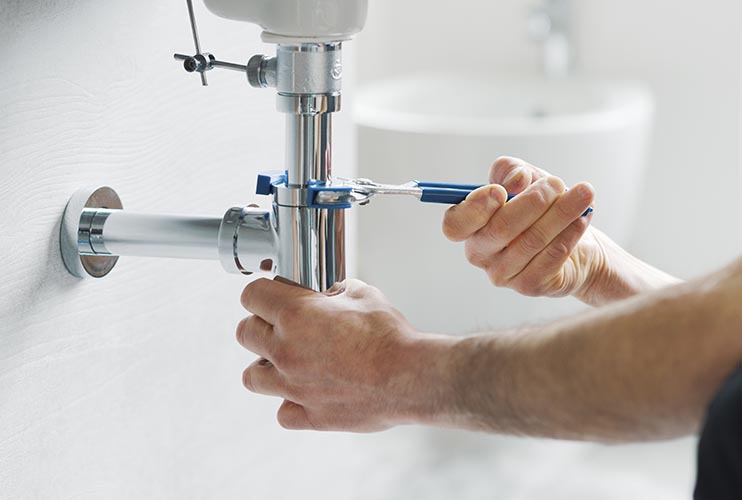

Don’t Let Frozen Pipes Turn Into a Winter Plumbing Emergency
Kansas winters can bring sudden temperature drops, freezing winds, and extended periods of below-freezing weather. While most homeowners prepare their heating systems for winter, many overlook one of the biggest cold-weather risks—frozen plumbing pipes.
When water freezes inside a pipe, it expands. That expansion places tremendous pressure on the pipe walls, increasing the risk of cracks or complete pipe failure.
A burst pipe can release hundreds of gallons of water into your home, causing significant damage to drywall, flooring, furniture, insulation, and personal belongings.
Fortunately, a little preparation before winter arrives can dramatically reduce your risk.
Here are some of the best ways Wichita homeowners can prevent frozen pipes during the coldest months of the year.
Why Do Pipes Freeze?
Pipes are most likely to freeze when they are exposed to temperatures below 32°F for an extended period.
The most vulnerable plumbing is typically located in:
- Crawl spaces
- Unheated basements
- Garages
- Exterior walls
- Attics
- Outdoor hose bibs
- Utility rooms without adequate insulation
Homes with older plumbing or insufficient insulation are especially susceptible during Kansas cold snaps.
1. Insulate Exposed Pipes
One of the easiest and most effective ways to prevent frozen pipes is by insulating exposed plumbing.
Foam pipe insulation is inexpensive and can significantly reduce the risk of freezing.
Focus on pipes located in:
- Garages
- Crawl spaces
- Basements
- Attics
- Exterior walls
Proper insulation also helps improve energy efficiency by reducing heat loss from hot water lines.
2. Disconnect Garden Hoses
Leaving hoses connected during freezing weather traps water inside outdoor faucets.
As the water freezes, pressure can build inside both the hose and the connected plumbing.
Before winter arrives:
- Disconnect all hoses
- Drain outdoor faucets
- Store hoses indoors
- Install insulated faucet covers if needed
This simple task can help prevent costly outdoor plumbing damage.
3. Seal Drafts Around Pipes
Cold air entering through small openings can quickly freeze nearby plumbing.
Inspect areas where pipes pass through:
- Exterior walls
- Foundation openings
- Basement walls
- Utility penetrations
Use expanding foam or weather-resistant caulk to seal gaps and reduce cold air infiltration.
4. Keep Your Home Warm
Even if you’re leaving town, never turn your thermostat off during winter.
Keeping your home’s interior temperature consistent helps protect plumbing located inside walls and under floors.
Many plumbing professionals recommend maintaining indoor temperatures of at least 55°F, even when no one is home.
This simple precaution can help prevent expensive freeze damage.
5. Let Faucets Drip During Extreme Cold
When temperatures fall well below freezing, allowing a small trickle of water to flow through vulnerable faucets can help prevent freezing.
Moving water is less likely to freeze than standing water.
Focus on faucets supplied by plumbing located along exterior walls or in unheated spaces.
Even a slow drip can help relieve pressure and reduce the likelihood of frozen pipes.
6. Open Cabinet Doors
Many kitchen and bathroom sinks are located against exterior walls where temperatures are colder.
Opening cabinet doors allows warm indoor air to circulate around plumbing.
This simple step can make a noticeable difference during prolonged cold weather.
7. Know Where Your Main Water Shut-Off Valve Is
If a pipe does freeze and burst, every second counts.
Knowing the location of your home’s main water shut-off valve allows you to quickly stop the flow of water and minimize damage.
If you aren’t sure where it’s located, now is the perfect time to find it before an emergency occurs.
8. Winterize Vacant or Seasonal Properties
Homes that sit vacant during winter face an increased risk of frozen plumbing.
If a property will be unoccupied:
- Shut off the main water supply if appropriate
- Drain plumbing lines when possible
- Maintain indoor heat
- Have someone periodically check the property
- Schedule a winter plumbing inspection
These precautions can help avoid costly surprises when you return.
Warning Signs a Pipe May Be Frozen
Frozen pipes don’t always burst immediately.
Watch for these warning signs:
- Little or no water flow from a faucet
- Frost forming on exposed pipes
- Unusual odors coming from drains
- Visible bulging in exposed pipes
- Strange banging or whistling sounds
If you notice any of these symptoms, it’s important to act quickly before the pipe ruptures.
What Should You Do If Your Pipes Freeze?
If you suspect a frozen pipe:
- Turn off the affected faucet.
- Leave the faucet open so water can flow as the ice melts.
- Warm the pipe gradually using warm towels, a hair dryer, or warm air from a space heater positioned at a safe distance.
- Never use an open flame, propane torch, or other direct heat source, as this can damage pipes and create a fire hazard.
- If you cannot locate the frozen section or the pipe has already burst, shut off your home’s main water supply and call a licensed plumber immediately.
Quick action can often prevent a frozen pipe from becoming a much larger plumbing emergency.
Why Professional Winter Plumbing Inspections Are Worth It
A professional plumbing inspection before winter can identify potential problems that homeowners may overlook.
Your plumber can:
✔ Inspect vulnerable plumbing
✔ Identify poor insulation
✔ Check outdoor faucets
✔ Evaluate exposed water lines
✔ Recommend preventative improvements
Preventive maintenance is almost always less expensive than repairing water damage from a burst pipe.
Protect Your Home This Winter with B&C Services
Kansas winters can be unpredictable, but your plumbing doesn’t have to be.
Whether you need pipe insulation, frozen pipe repair, emergency plumbing services, or a preventative plumbing inspection, B&C Services is here to help homeowners throughout Wichita and the surrounding communities.
Our experienced plumbing professionals can help winterize your plumbing system, identify vulnerable pipes, and respond quickly if freezing temperatures cause damage.
Don’t wait until a frozen pipe bursts. Contact B&C Services today to schedule a winter plumbing inspection and keep your home protected all season long.
0 Comments