
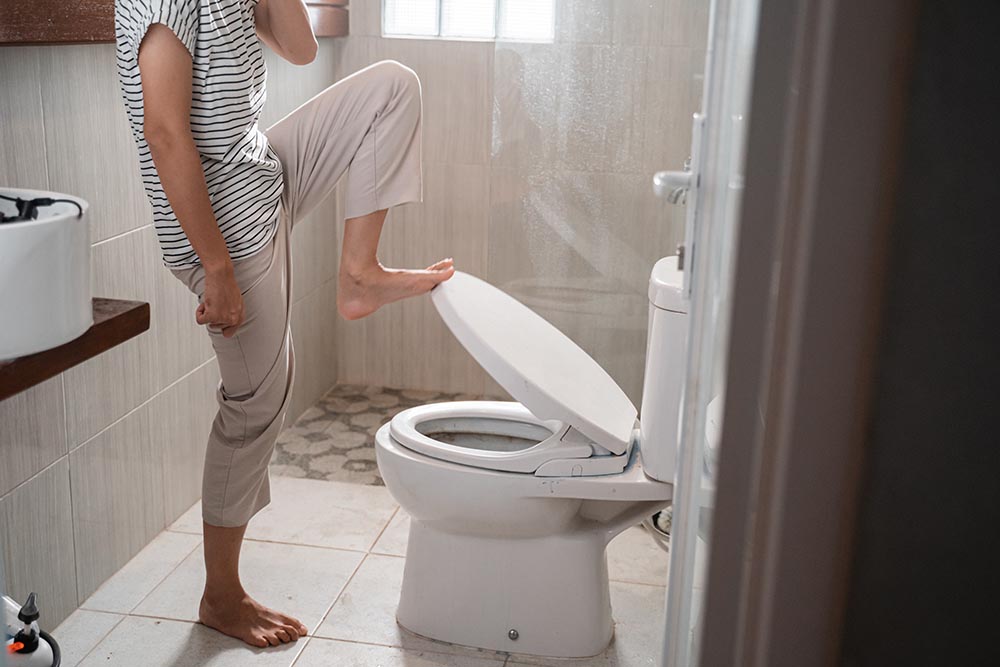

Why Does My Toilet Keep Running?
You flush the toilet, walk away, and several minutes later you can still hear water running.
It may seem like a minor annoyance, but a toilet that won’t stop running can waste a surprising amount of water and increase your monthly utility bill. It can also be an early warning that parts inside the toilet are wearing out or no longer working correctly.
Some running toilet problems have relatively simple solutions. Others may indicate a problem that requires professional toilet repair.
If your toilet keeps running, here are some of the most common causes Wichita homeowners should know.
1. A Worn or Damaged Toilet Flapper
The flapper is the rubber seal located at the bottom of the toilet tank. When you flush, the flapper lifts and allows water to flow from the tank into the bowl.
After the flush, it should drop back into place and create a watertight seal.
Over time, the flapper can:
- Crack
- Warp
- Deteriorate
- Become covered in mineral buildup
- Stop sealing correctly
When that happens, water slowly leaks from the tank into the bowl. The toilet then continues refilling the tank to replace the lost water.
A worn flapper is one of the most common reasons a toilet keeps running.
2. The Flapper Chain Is Too Long or Too Short
The small chain connecting the toilet handle to the flapper can also cause problems.
If the chain is too short, it may prevent the flapper from closing completely.
If it’s too long, the chain can become trapped underneath the flapper and prevent a proper seal.
Either situation allows water to continue flowing into the bowl.
Sometimes adjusting or replacing the chain is all that’s needed to solve the problem.
3. A Problem with the Fill Valve
The fill valve controls the water entering the toilet tank after each flush.
When the tank reaches the correct water level, the valve should shut off automatically.
A damaged or worn fill valve may continue allowing water into the tank even when it’s full.
Signs of a Fill Valve Problem Include:
- Toilet constantly running
- Hissing sounds from the tank
- Slow tank refilling
- Water continuously flowing into the overflow tube
- Inconsistent water levels
Replacing the fill valve can often restore normal operation.
4. The Float Is Set Incorrectly
Your toilet uses a float to determine when the tank contains enough water.
Depending on the toilet, this may be a floating ball attached to an arm or a cup-style float attached to the fill valve.
If the float is set too high, the toilet may continue filling until water spills into the overflow tube.
If it’s set too low, you may experience weak or incomplete flushes.
Properly adjusting the float helps ensure the toilet fills to the correct level and shuts off when it should.
5. Water Is Flowing Into the Overflow Tube
Inside your toilet tank is a vertical overflow tube designed to prevent the tank from overflowing onto the floor.
If the tank’s water level is too high, excess water continuously flows into this tube and down into the toilet bowl.
You may hear the toilet running constantly even though there doesn’t appear to be anything wrong from the outside.
The underlying cause may be:
- Incorrect float adjustment
- A failing fill valve
- Improper tank settings
A plumber can determine why the tank is overfilling and correct the problem.
6. The Toilet Handle Is Sticking
Sometimes the problem is surprisingly simple.
If the toilet handle sticks after flushing, it may keep the flapper partially open.
Try gently moving the handle back into its normal position.
If the toilet stops running, the handle mechanism may need adjustment or replacement.
A loose or damaged flush handle is generally an inexpensive repair, but ignoring it can continue wasting water.
7. Mineral Buildup Is Affecting Toilet Components
Minerals found naturally in water can accumulate on toilet components over time.
Deposits can interfere with:
- Fill valves
- Flappers
- Seals
- Flush valves
- Moving components
As buildup increases, components may no longer move or seal correctly.
If cleaning doesn’t solve the issue, replacing the affected parts may be necessary.
8. The Flush Valve or Internal Seals Are Failing
If you’ve replaced the flapper and adjusted the fill valve but the toilet continues running, the problem may be deeper inside the tank.
The flush valve or seals between components can deteriorate and allow water to leak continuously.
At this point, professional toilet repair may be the easiest way to identify the source without repeatedly replacing parts that aren’t causing the problem.
Can a Running Toilet Increase Your Water Bill?
Yes.
A toilet that continuously leaks water from the tank into the bowl can waste a significant amount of water over time.
The leak may be nearly silent, meaning homeowners sometimes don’t realize anything is wrong until they receive an unusually high water bill.
If your water usage suddenly increases without an obvious explanation, checking your toilets is a good place to start.
However, toilets aren’t the only possible culprit. Hidden plumbing leaks can also cause unexplained increases in water usage.
How Can You Tell If Your Toilet Has a Silent Leak?
Not every leaking toilet makes noise.
One simple test homeowners can perform involves food coloring.
Add several drops of food coloring to the water inside the toilet tank and wait about 15 to 20 minutes without flushing.
If colored water appears in the bowl, water is leaking from the tank into the bowl.
That typically indicates a problem with the flapper, flush valve, or another internal seal.
Should You Repair or Replace a Running Toilet?
A running toilet doesn’t automatically mean you need a new toilet.
Many problems can be solved by replacing inexpensive internal components.
However, replacement may be worth considering if the toilet:
- Is very old
- Frequently clogs
- Has cracks in the porcelain
- Requires repeated repairs
- Uses significantly more water than newer models
- Has other persistent performance problems
A professional plumber can inspect the toilet and help you determine whether repair or replacement makes more financial sense.
When Should You Call a Plumber for a Running Toilet?
Some homeowners are comfortable replacing a flapper or adjusting a float themselves.
But if you’ve attempted simple fixes and your toilet continues running, calling a plumber can prevent unnecessary water waste and frustration.
You should also consider professional toilet repair if:
- The toilet runs constantly
- Your water bill has unexpectedly increased
- The toilet leaks around its base
- The tank isn’t filling correctly
- The toilet frequently clogs
- Multiple plumbing fixtures are having problems
Problems affecting several fixtures may indicate a larger plumbing issue rather than a problem isolated to the toilet.
Don’t Ignore a Toilet That Keeps Running
A running toilet might not seem like an urgent plumbing problem, but letting it continue can waste water and cost you money every month.
Fortunately, many toilet problems can be diagnosed and repaired quickly.
Whether you’re dealing with a worn flapper, faulty fill valve, leaking toilet, or another plumbing issue, identifying the cause early can help prevent unnecessary water waste and more expensive repairs.
Schedule Toilet Repair in Wichita with B&C Services
If your toilet keeps running and simple adjustments aren’t solving the problem, B&C Services can help.
Our experienced plumbing professionals provide toilet repair, leak detection, plumbing repair, and other residential plumbing services throughout Wichita and the surrounding communities.
We’ll identify what’s causing the problem, explain your repair options, and help get your toilet working properly again.
Contact B&C Services today to schedule professional toilet repair in Wichita.
0 Comments